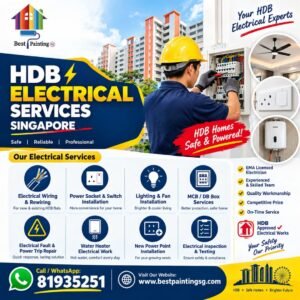

Electrical Installation Services Singapore
Electrical systems are an essential part of every modern home in Singapore. From lighting and power sockets to air conditioners, water heaters, kitchen appliances, ceiling fans and home-office equipment, homeowners depend on electrical installations every day.
When electrical installation work is planned properly and carried out correctly, it can provide a safe and reliable power supply throughout the property. However, poor wiring, overloaded circuits, unsuitable electrical points, damaged cables and improper modifications can create electrical faults and safety concerns.
Whether you are moving into a new home, renovating an HDB flat, upgrading a condominium, installing new appliances or replacing an ageing electrical system, understanding electrical installation services in Singapore can help you plan your project more effectively.
Singapore also has specific requirements governing electrical work. The Energy Market Authority (EMA) states that electrical work at consumer premises should be carried out or supervised by an appropriately licensed Electrical Worker (LEW). This includes electrical wiring installation, rewiring, modification, repair and replacement, as well as adding or replacing electrical power points.
This guide explains what homeowners should know before hiring an electrical installation service, including common electrical installations, wiring options, safety requirements, costs, renovation considerations and frequently asked questions.
What Are Electrical Installation Services?
Electrical installation services cover the installation, connection, modification and commissioning of electrical systems and electrical points within a property.
Depending on the home and project requirements, electrical installation may include:
- Lighting points
- Light switches
- Power sockets
- Electrical wiring
- Concealed wiring
- Surface wiring
- Air-conditioner points
- Water heater points
- Oven points
- Cooker hob points
- Cooker hood points
- Washing machine points
- Dryer points
- Refrigerator points
- Ceiling fan points
- Distribution boards
- Circuit breakers
- RCCB protection
- Additional electrical points
- Electrical appliance connections
- Electrical testing and troubleshooting
The actual installation requirements depend on the property, electrical load, existing wiring, renovation design and appliances being installed.
For regulated electrical work, homeowners should engage an appropriately licensed Electrical Worker.
Why Professional Electrical Installation Matters
Electrical installation is not simply about connecting cables to switches and sockets.
A proper installation needs to consider:
- Electrical load
- Cable sizing
- Circuit protection
- Earthing
- Distribution
- Socket locations
- Appliance requirements
- Wiring routes
- Accessibility
- Safety devices
- Existing electrical infrastructure
For example, installing a new oven or induction cooker may require a dedicated electrical point rather than connecting the appliance to an ordinary socket.
Similarly, an air-conditioning system or water heater may require specific electrical arrangements depending on the equipment.
Incorrect installation can result in:
- Circuit breaker trips
- Overheating
- Damaged appliances
- Electrical leakage
- Flickering lights
- Power interruptions
- Electrical shocks
- Fire hazards
Professional electrical planning is therefore particularly important when installing high-powered appliances or carrying out renovation work.
Common Electrical Installation Services for Singapore Homes
1. Lighting Installation
Lighting is one of the most common electrical installation requirements.
Homeowners may need electrical points for:
- Ceiling lights
- Pendant lights
- Wall lights
- Downlights
- LED lighting
- Kitchen lighting
- Bathroom lighting
- Bedroom lighting
- Balcony lighting
- Outdoor lighting
The location of each lighting point should be planned according to the room layout and interior design.
During renovation, homeowners should decide the lighting layout before ceilings and walls are completed.
2. Power Socket Installation
Modern homes require numerous power points.
Typical requirements include sockets for:
- Televisions
- Computers
- Monitors
- Phone chargers
- Refrigerators
- Washing machines
- Microwaves
- Kitchen appliances
- Air purifiers
- Vacuum cleaners
- Entertainment systems
Additional sockets can make a home more convenient, but they should not simply be added without considering the existing circuit and electrical load.
EMA specifically identifies adding, extending or replacing electrical power points as electrical work that should be carried out or supervised by an LEW.
3. Electrical Wiring Installation
Electrical wiring connects the electrical supply to different points and appliances throughout the home.
Depending on the property and renovation requirements, wiring may be installed using different methods.
Surface Wiring
Surface wiring is installed externally using suitable trunking or conduit.
Potential benefits include:
- Easier access
- Easier future maintenance
- Less wall hacking
- Simpler troubleshooting
The main consideration is that trunking or conduit may remain visible.
Concealed Wiring
Concealed wiring is installed within appropriate wall or ceiling spaces.
Potential benefits include:
- Cleaner appearance
- Less visible cabling
- Better integration with interior design
However, concealed wiring can involve additional work, especially when existing walls or ceilings need to be opened.
4. Air-Conditioner Electrical Installation
Air conditioners can place significant electrical demand on a home.
Electrical installation may involve:
- Air-conditioner power points
- Dedicated circuits
- Isolators
- Wiring
- Circuit protection
The electrical requirements depend on the air-conditioning system and equipment specifications.
If an air conditioner repeatedly causes the circuit breaker to trip, homeowners should not repeatedly reset the breaker without investigating the cause.
5. Water Heater Electrical Installation
Water heaters are another common electrical installation in Singapore homes.
Electrical work may involve:
- Heater points
- Heater switches
- Dedicated electrical circuits
- Wiring
- Protective devices
Bathrooms require particular care because electricity and water are located close together.
EMA advises consumers to keep electricity and water apart and not operate electrical switches with wet hands.
If a water heater produces sparks, causes repeated trips, gives an electrical shock or produces a burning smell, stop using the equipment and arrange professional inspection.
6. Kitchen Appliance Electrical Installation
Modern kitchens can contain several high-powered appliances.
These may include:
- Oven
- Induction cooker
- Electric hob
- Cooker hood
- Microwave
- Dishwasher
- Refrigerator
- Washing machine
Before installation, the electrical requirements of each appliance should be checked.
Some appliances may require dedicated electrical points or circuits.
Electrical planning should also take place before kitchen cabinets are installed so that wiring and electrical points are positioned correctly.
7. Ceiling Fan Installation
Ceiling fans require appropriate electrical points and secure installation.
Electrical installation may include:
- Fan point
- Switch
- Regulator or control
- Wiring
- Additional lighting point if the fan includes a light
The installation should also consider the ceiling structure and the manufacturer’s installation requirements.
8. Distribution Board Installation and Upgrading
The distribution board, commonly called the DB box, distributes electricity to different circuits in the property.
It may contain:
- Main switch
- Circuit breakers
- RCCB
- Other protective devices
If the existing distribution board is damaged, outdated or unsuitable for the property’s requirements, professional assessment may be required.
Homeowners should never open or modify the distribution board themselves.
What Is an RCCB and Why Is It Important?
A Residual Current Circuit Breaker (RCCB) is an important electrical safety device designed to disconnect electricity when it detects residual current or electrical leakage.
EMA states that residential premises are required to have an RCCB or ELCB with a rated residual operating current not exceeding 30mA.
The RCCB is generally located in the home’s distribution board and can usually be identified by a switch with a Test button.
EMA recommends that homeowners test their RCCB once a month to ensure that it is operating correctly.
If the RCCB does not operate properly during testing, homeowners should seek assistance from an appropriately licensed electrical worker.
Electrical Installation for HDB Flats
HDB flats may require electrical installation work during:
- Renovation
- Kitchen upgrades
- Bathroom renovation
- Lighting upgrades
- Home-office setup
- Air-conditioner installation
- Water heater installation
- Additional socket installation
If concealed wiring is required, electrical work may need to be coordinated with:
- Wall hacking
- Plastering
- Ceiling works
- Painting
- Carpentry
This is why electrical planning should happen before final renovation finishes.
For applicable electrical work in an HDB flat, homeowners should ensure that the work is performed or supervised by an appropriately licensed electrical worker.
Electrical Installation for Condominiums
Condominium units may have more extensive electrical requirements because homeowners often install multiple air-conditioning units, smart-home systems, kitchen appliances and entertainment equipment.
Common condo electrical installation requirements include:
- Additional power points
- Lighting systems
- Air-conditioner points
- Water heater points
- Kitchen appliance points
- Ceiling fan points
- Home-office wiring
- Smart-home equipment
- Concealed wiring
Condo homeowners should also check their management corporation’s renovation requirements before starting electrical modification work.
Depending on the project, there may be rules regarding:
- Contractor registration
- Working hours
- Access to the unit
- Noise
- Renovation deposits
- Common-property areas
- Electrical risers
Electrical Installation During Home Renovation
Renovation is one of the most important times to plan electrical installations.
Before work begins, homeowners should create a list of all electrical requirements.
For example:
Living Room
- TV socket
- Internet equipment
- General power sockets
- Ceiling lights
- Wall lights
- Ceiling fan
Bedroom
- Bedside sockets
- Lighting
- Ceiling fan
- Air-conditioner point
- Workstation socket
Kitchen
- Refrigerator point
- Oven point
- Cooker hob point
- Cooker hood point
- Microwave point
- General sockets
- Washing machine point
Bathroom
- Water heater point
- Lighting
- Exhaust fan where applicable
Planning these requirements in advance can prevent the need to reopen completed walls and ceilings.
Electrical Installation Safety Tips for Homeowners
Avoid Overloading Sockets
Using too many high-powered appliances on a single electrical point can create excessive load.
EMA warns that overloading power points can cause overheating and potentially start a fire.
Avoid connecting multiple extension devices or adaptors together.
Replace Damaged Sockets
Do not continue using cracked, broken, loose or burnt sockets.
Damaged electrical points should be replaced appropriately.
Keep Water Away From Electrical Equipment
Particular attention is required in bathrooms, kitchens and utility areas.
Never use electrical equipment with wet hands.
Do Not Touch Exposed Wiring
Exposed or damaged wiring can present an electrical shock hazard.
Keep people away from the affected area and arrange professional assistance.
Do Not Modify the Distribution Board Yourself
Electrical panels contain live electrical components.
DB-related work should be handled by an appropriately licensed professional.
Do Not Ignore Burning Smells
A burning smell from a socket, switch, appliance or electrical panel can indicate overheating or another fault.
Stop using the affected equipment and seek professional assistance.
How Much Do Electrical Installation Services Cost in Singapore?
The cost of electrical installation varies according to the scope of work.
Factors that can affect the price include:
- Number of electrical points
- Type of electrical point
- Wiring method
- Cable length
- Materials
- Labour
- Wall access
- Ceiling access
- Existing wiring
- Distribution board requirements
- Electrical load
- Property layout
- Renovation requirements
For example, concealed wiring generally requires more installation work than exposed wiring because access to walls or ceilings may be required.
Best Painting SG currently publishes the following indicative electrical service prices:
| Electrical Point | Exposed Wiring | Concealed Wiring |
|---|---|---|
| Lighting Point | $40 | $80 |
| 13A × 1 Power Point | $65 | $90 |
| 13A × 2 Power Point | $70 | $95 |
| 15A Aircon Point | $100 | $130 |
| Heater Point | $100 | $130 |
| Oven Point | $100 | $130 |
| Cooker Hood Point | $90 | $120 |
| 20A Cooker Hob Point | $90 | $120 |
| 2-Way Heater Point | $90 | $150 |
These are indicative prices published by Best Painting SG and should not be treated as a guaranteed quotation. The actual price can vary according to site conditions and project requirements.
EMA does not regulate the rates charged by Licensed Electrical Workers because electrical jobs can differ significantly in complexity and scope. Homeowners can obtain quotations from different LEWs before deciding which professional to engage.
What Homeowners Should Ask Before Hiring an Electrician
1. Is the Electrical Worker Appropriately Licensed?
For applicable electrical work, verify the LEW’s licence.
2. What Exactly Is Included?
Ask whether the quotation includes:
- Labour
- Materials
- Wiring
- Trunking
- Switches
- Sockets
- Testing
- Installation
- Wall access
- Ceiling access
- Surface restoration
3. Is the Wiring Concealed or Exposed?
This can affect both the appearance and cost of the project.
4. Will Additional Circuits Be Required?
High-powered appliances may require different electrical arrangements.
5. Will Wall or Ceiling Repair Be Necessary?
Concealed wiring may require plastering or painting after installation.
6. Are There Condominium or Building Restrictions?
Check with your MCST or managing agent where applicable.
Why Choose Best Painting SG for Electrical Services?
Best Painting SG provides electrical and property-maintenance services in Singapore.
Its broader service range includes:
- Painting
- Plastering
- Wall hacking
- Partition and ceiling work
- Handyman services
- Plumbing
- Waterproofing
- Reinstatement services
- Marble polishing
This combination can be useful when electrical installation forms part of a larger renovation or property-maintenance project.
For example, concealed electrical wiring may need to be coordinated with wall hacking, plastering and painting.
By planning these services together, homeowners can reduce unnecessary disruption and avoid reopening completed surfaces.
For regulated electrical work, homeowners should confirm that the electrical worker performing or supervising the work has the appropriate EMA licence.
Best Painting SG’s published contact information is:
Best Painting SG
362 Upper Paya Lebar Road, #05-14
Singapore 534963
Call / WhatsApp: +65 8193 5251
Email: bestpaintsg@gmail.com
When Should You Hire Professional Electrical Installation Services?
Professional assistance is appropriate when you need:
- New electrical points
- Additional sockets
- New lighting points
- Electrical wiring
- Rewiring
- Concealed wiring
- Air-conditioner points
- Water heater points
- Oven points
- Cooker hob points
- Cooker hood points
- Distribution board work
- RCCB-related work
- Electrical troubleshooting
- Renovation-related electrical work
You should also seek professional assistance when you notice:
- Frequent circuit trips
- Burning smells
- Sparks
- Hot sockets
- Electrical shocks
- Damaged wiring
- Flickering lights
- Faulty switches
- Intermittent electrical supply
Emergency Electrical Situations
Some electrical problems require immediate attention.
Examples include:
- Smoke from an electrical point
- Sparks
- Burning electrical smell
- Exposed wiring
- Severe overheating
- Electrical shock
- Serious distribution-board problems
If there is an immediate danger of fire or injury, keep people away from the affected area and contact the appropriate emergency services.
Do not attempt to repair live electrical wiring yourself.
Electrical Installation Maintenance Checklist
Homeowners can use the following checklist to monitor their electrical system.
Check Regularly
Look for:
- Cracked sockets
- Loose switches
- Damaged cables
- Burning smells
- Unusual heat
- Flickering lights
- Repeated circuit trips
- Damaged plugs
Test RCCB
EMA recommends monthly RCCB testing for residential premises.
During Renovation
Review:
- Lighting points
- Power sockets
- Air-conditioner points
- Water heater points
- Kitchen appliance points
- Ceiling fan points
- Home-office requirements
- Concealed wiring
- Circuit requirements
Before Buying High-Powered Appliances
Check the manufacturer’s electrical requirements and make sure the home’s electrical installation can safely support the appliance.
Final Thoughts
Electrical installation is one of the most important parts of any home renovation, upgrade or maintenance project.
A properly planned electrical system can provide convenient access to electricity while supporting modern appliances and reducing avoidable electrical problems.
Homeowners should pay attention to electrical load, wiring, power points, circuit protection, RCCB protection and appliance requirements when planning electrical work.
For regulated electrical work, Singapore’s EMA requires electrical work at consumer premises to be carried out or supervised by an appropriately licensed Electrical Worker.
Whether you own an HDB flat, condominium or another residential property, professional electrical planning is particularly important when installing new power points, rewiring, modifying circuits or connecting high-powered appliances.
Electrical installation should also be coordinated with renovation work such as plastering, painting, hacking, ceiling installation and carpentry whenever concealed wiring is involved.
Best Painting SG provides electrical services together with a wider range of property-maintenance and renovation-related services in Singapore. Homeowners can discuss their requirements, obtain a quotation and ensure that applicable electrical work is handled by an appropriately licensed electrical professional.
The most important consideration is not simply the initial installation cost. Electrical work should be properly planned, safely installed, appropriately protected and maintained over time.
Frequently Asked Questions
1. What Are Electrical Installation Services?
Electrical installation services include the installation of wiring, lighting points, power sockets, switches, appliance points, circuit protection and other electrical components within a property.
2. Do I Need a Licensed Electrician in Singapore?
Applicable electrical work at consumer premises should be carried out or supervised by an appropriately licensed Electrical Worker. This includes wiring installation, rewiring, modification, repair and certain power-point work.
3. How Much Does Electrical Installation Cost in Singapore?
The cost depends on the type and number of electrical points, wiring method, materials, labour and site conditions. Best Painting SG publishes indicative prices for different electrical points, but the final quotation depends on the actual project.
4. Is Concealed Wiring More Expensive Than Exposed Wiring?
It can be because concealed wiring may require additional work to access walls or ceilings. The exact cost depends on the property and installation requirements.
5. Can I Add More Power Sockets to My Home?
Yes, additional power points can be installed where appropriate. However, the existing circuit and electrical load should be assessed by an appropriately licensed electrical worker.
6. What Is an RCCB?
An RCCB is a Residual Current Circuit Breaker designed to disconnect electricity when residual current or electrical leakage is detected.
7. How Often Should I Test My RCCB?
EMA recommends testing the RCCB once a month in residential premises to ensure it is operating correctly.
8. What Should I Do If My Circuit Breaker Keeps Tripping?
Repeated circuit trips should be investigated. Possible causes include an overloaded circuit, faulty appliance, short circuit, electrical leakage or wiring problem.
9. Can I Install an Oven or Induction Cooker on a Normal Socket?
Do not assume that a standard socket is suitable. Check the appliance’s electrical requirements and have an appropriately licensed electrical professional assess the installation.
10. Do Water Heaters Require Special Electrical Installation?
Water heaters require appropriate electrical connections and safety considerations because they are used in areas where water is present. Professional installation is recommended.
11. What Are the Signs of a Faulty Electrical Installation?
Warning signs include flickering lights, repeated circuit trips, burning smells, hot sockets, sparks, electrical shocks, damaged wiring and intermittent power.
12. Can Electrical Installation Be Done During Home Renovation?
Yes. In fact, renovation is often an appropriate time to plan electrical points because wiring can be coordinated with walls, ceilings, carpentry, plastering and painting.
13. Can Concealed Electrical Wiring Be Installed Without Hacking?
It depends on the existing wall and ceiling structure and the available cable routes. Some installations may require access work, while others may have alternative routing options.
14. Can Best Painting SG Provide Electrical Installation Services?
Best Painting SG provides electrical services in Singapore, alongside painting, plumbing, plastering, hacking, ceiling, partition, handyman, waterproofing, marble polishing and reinstatement services.
15. How Do I Verify an Electrician’s Licence in Singapore?
EMA provides the ELISE system for checking Licensed Electrical Workers. Homeowners should verify the relevant licence before applicable electrical work begins.
16. What Should I Do If an Electrical Socket Becomes Hot?
Stop using the affected socket and arrange professional inspection. Heat can indicate an overloaded circuit, loose connection, damaged socket or another electrical problem.
17. Why Are My Lights Flickering After Electrical Installation?
Possible causes include a faulty bulb, light fitting, switch, connection or wiring issue. Persistent flickering should be professionally inspected.
18. Can an Electrician Install Air-Conditioner Electrical Points?
Yes, an appropriately licensed electrical worker can carry out applicable electrical installation work for air-conditioner points. The electrical requirements depend on the air-conditioning equipment.
📞Call Now: +65 81935251
📩 Email: bestpaintsg@gmail.com
🌐 Website: https://bestpaintingsg.com