
Complete Guide to Plastering Services Singapore
Plastering Services Singapore
Whether you’re renovating an older property, completing a new construction project, or repairing damaged walls and ceilings, professional plastering is one of the most important steps in creating a smooth, durable, and attractive finish. High-quality plastering not only improves the appearance of your property but also strengthens surfaces, prepares walls for painting, and extends the lifespan of your interior and exterior finishes.
In Singapore, buildings are exposed to high humidity, heavy rainfall, and constant temperature changes throughout the year. These environmental conditions can lead to cracked walls, uneven surfaces, peeling paint, water damage, and deteriorating plaster. Without timely repairs and proper plastering, these problems can become more severe and costly to fix.
Professional plastering services in Singapore help restore damaged surfaces, improve structural stability, and create perfectly smooth walls and ceilings ready for painting or wallpaper installation.
At Best Painting SG, we provide comprehensive plastering services for residential, commercial, and industrial properties throughout Singapore. Our experienced team specializes in wall plastering, ceiling plastering, wall skimming, crack repairs, plaster restoration, and surface preparation using high-quality materials and professional workmanship.
This complete guide explains everything you need to know about plastering services in Singapore, including types of plastering, common problems, repair methods, benefits, pricing, and why choosing experienced professionals ensures long-lasting results.
What Are Plastering Services?
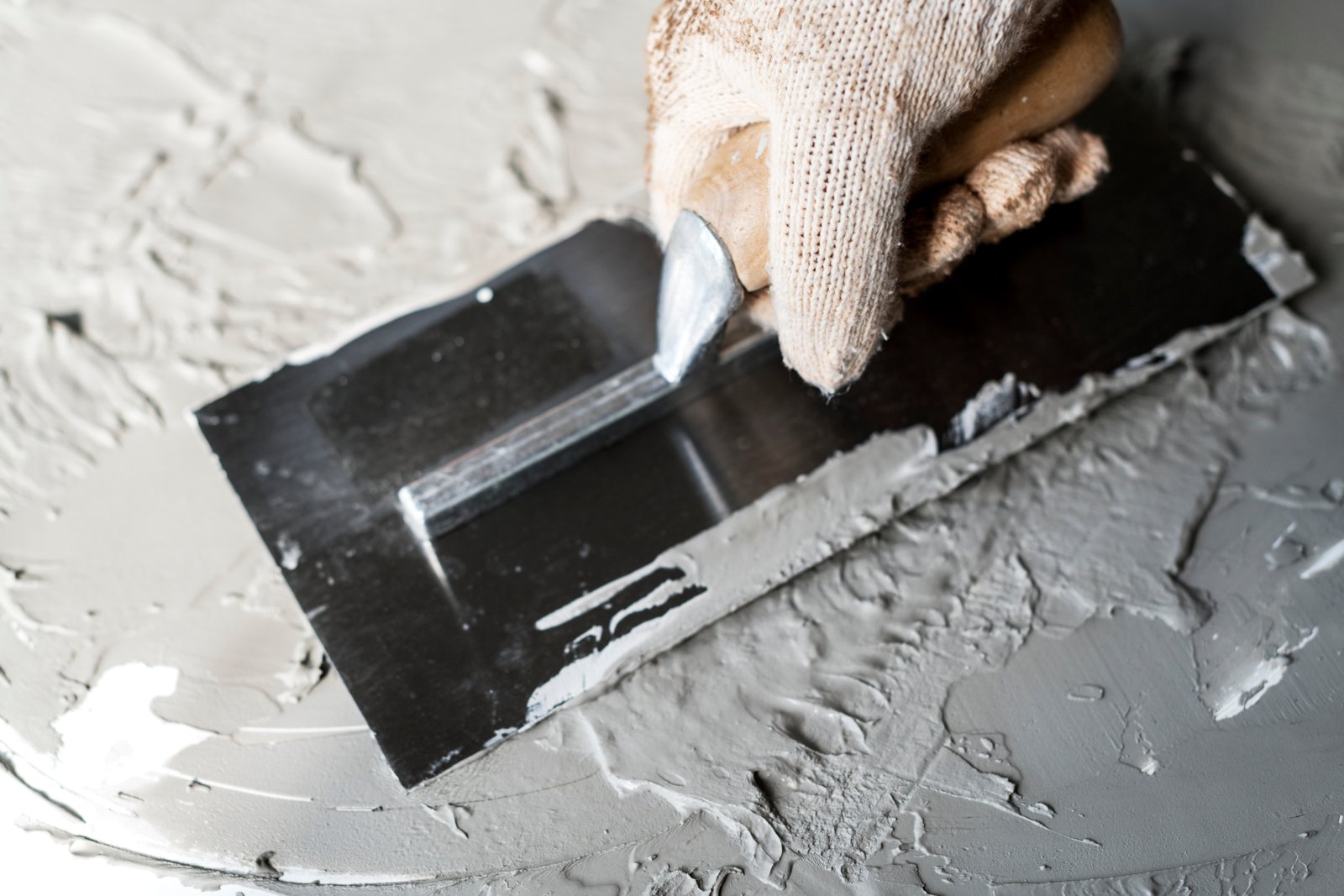
Plastering is the process of applying plaster to walls, ceilings, or other surfaces to create a smooth, level, and durable finish. It serves as the foundation for painting, wallpaper installation, decorative finishes, and other interior improvements.
Professional plastering services may include:
- Wall plastering
- Ceiling plastering
- Wall skimming
- Crack repairs
- Patch plastering
- Cement plastering
- Gypsum plastering
- Surface levelling
- Water-damaged wall restoration
- Preparation before painting
Proper plastering enhances both the appearance and durability of a property while protecting surfaces from further deterioration.
Why Plastering Is Important in Singapore
Singapore’s tropical climate creates unique challenges for walls and ceilings. Constant humidity, frequent rain, and daily temperature fluctuations can affect plaster surfaces over time.
Professional plastering helps:
- Repair damaged walls
- Strengthen weak surfaces
- Prevent paint failure
- Improve moisture resistance
- Create smooth finishes
- Increase property value
- Prepare walls for long-lasting paint
Whether for homes or commercial buildings, quality plastering is an essential part of maintaining a property.
Common Problems That Require Plastering Services
Many property owners only consider plastering when visible damage appears. However, addressing problems early prevents larger repairs.
Cracked Walls
Hairline cracks often develop because of:
- Building settlement
- Thermal expansion
- Concrete shrinkage
- Aging structures
Professional plastering repairs cracks and restores wall integrity.
Uneven Wall Surfaces
Poor construction or old plaster may leave walls with:
- Rough textures
- Waves
- Visible joints
- Surface depressions
Plastering levels these imperfections and creates a clean finish.
Peeling Paint
When paint begins to peel or blister, damaged plaster underneath is often the real cause.
Removing loose material and replastering ensures better paint adhesion.
Water Damage
Leaks from roofs, bathrooms, kitchens, or plumbing systems can weaken plaster and cause:
- Damp patches
- Bubbling paint
- Mold growth
- Soft or crumbling walls
Professional restoration includes repairing damaged plaster after the moisture issue has been resolved.
Ceiling Damage
Ceilings may develop cracks, stains, or peeling surfaces due to water leaks or aging.
Ceiling plastering restores a smooth and safe finish before repainting.
Types of Plastering Services
Different projects require different plastering techniques.
Wall Plastering
Wall plastering creates smooth and durable wall surfaces for painting or decorative finishes.
Suitable for:
- HDB flats
- Condominiums
- Landed homes
- Offices
- Shops
- Industrial buildings
Ceiling Plastering
Ceiling plastering repairs:
- Cracks
- Water damage
- Uneven surfaces
- Old plaster deterioration
Smooth ceilings significantly improve the appearance of any room.
Wall Skimming
Wall skimming involves applying a thin finishing coat over existing walls to remove minor imperfections and create a paint-ready surface.
Ideal before repainting projects.
Cement Plastering
Cement plaster is commonly used for:
- Exterior walls
- Concrete structures
- Brick walls
- Moisture-prone areas
It provides excellent strength and durability.
Gypsum Plastering
Gypsum plaster offers:
- Faster drying
- Smooth finish
- Lightweight application
- Reduced shrinkage
It is widely used for interior renovations.
Patch Plaster Repairs
Instead of replastering an entire room, localized patch repairs restore damaged areas caused by:
- Pipe repairs
- Electrical work
- Furniture damage
- Wall cracks
Residential Plastering Services
Homeowners frequently require plastering during renovations or maintenance.
Common areas include:
- Living rooms
- Bedrooms
- Kitchens
- Bathrooms
- Hallways
- Staircases
- Balconies
- Ceilings
Professional plastering creates a smooth surface that enhances the overall appearance of the home.
Commercial Plastering Services
Commercial buildings require durable finishes capable of withstanding daily wear.
We provide plastering for:
- Office buildings
- Retail stores
- Shopping units
- Restaurants
- Hotels
- Schools
- Clinics
- Warehouses
Professional plastering helps businesses maintain a clean and professional image.
Industrial Plastering Services
Factories and industrial facilities often require heavy-duty plaster systems to protect walls from demanding environments.
Applications include:
- Manufacturing facilities
- Storage warehouses
- Workshops
- Production areas
These plaster systems are designed for durability and easier maintenance.
The Professional Plastering Process
Quality plastering requires proper preparation and skilled workmanship.
Step 1 – Site Inspection
Technicians inspect:
- Existing plaster condition
- Moisture damage
- Surface defects
- Structural cracks
The best repair method is then recommended.
Step 2 – Surface Preparation
Preparation includes:
- Removing loose plaster
- Cleaning surfaces
- Filling cracks
- Repairing damaged areas
- Treating moisture problems
Proper preparation ensures strong adhesion.
Step 3 – Plaster Application
Professional plaster is applied evenly using specialized tools.
Depending on the project, one or multiple coats may be required.
Step 4 – Surface Levelling
The plaster is carefully leveled to eliminate uneven areas and achieve a perfectly smooth finish.
Step 5 – Drying & Curing
Proper curing strengthens the plaster and minimizes future cracking.
Step 6 – Final Quality Inspection
The completed work is checked for:
- Smoothness
- Adhesion
- Uniform finish
- Surface quality
Once approved, the surface is ready for painting or wallpaper installation.
Benefits of Professional Plastering Services
Hiring experienced professionals offers significant long-term advantages.
Smooth, Paint-Ready Surfaces
Proper plastering creates an ideal base for premium paint finishes.
Longer Lasting Walls
Quality plaster strengthens surfaces and reduces future deterioration.
Better Moisture Protection
Professional plastering helps resist minor moisture penetration and surface damage.
Improved Property Appearance
Smooth walls and ceilings instantly enhance the look of any property.
Increased Property Value
Well-maintained interiors make homes and commercial properties more attractive to buyers and tenants.
Plastering vs Wall Putty
Although they are often confused, plaster and wall putty serve different purposes.
Plastering:
- Repairs damaged walls
- Levels uneven surfaces
- Covers brick and concrete
- Adds structural strength
Wall Putty:
- Thin finishing layer
- Improves paint adhesion
- Smooths minor imperfections
- Applied after plastering
Professional plastering is the foundation for a high-quality paint finish.
How Much Do Plastering Services Cost in Singapore?
Several factors influence the overall cost:
- Property size
- Wall condition
- Ceiling height
- Type of plaster
- Repair complexity
- Accessibility
- Surface preparation
Typical price estimates include:
- Crack repair: SGD 80–200
- Patch plastering: SGD 150–500
- Single room plastering: SGD 500–1,500
- Whole apartment plastering: SGD 2,000–6,000+
- Commercial plastering: Quoted based on project scope
A site inspection provides the most accurate quotation.
Why Choose Best Painting SG?
Choosing the right contractor is essential for achieving durable, high-quality plastering results.
At Best Painting SG, we provide complete plastering solutions throughout Singapore for residential, commercial, and industrial properties.
Our customers choose us because we offer:
- Experienced plastering specialists
- High-quality plaster materials
- Competitive and transparent pricing
- Careful surface preparation
- Smooth, professional finishes
- Reliable project scheduling
- Integrated plastering and painting services
- Residential, commercial, and industrial expertise
Whether you need wall repairs, ceiling plastering, wall skimming, or complete surface restoration, our team is committed to delivering workmanship that lasts.
Frequently Asked Questions (FAQ)
1. What are plastering services?
Plastering services involve applying plaster to walls and ceilings to create smooth, durable, and paint-ready surfaces.
2. How long does plastering take?
Small repairs may take a few hours, while larger residential or commercial projects may take several days depending on the scope of work.
3. Can plastering repair cracked walls?
Yes. Professional plastering repairs hairline cracks, damaged surfaces, and uneven walls to restore their appearance and strength.
4. Is plastering necessary before painting?
Yes. Proper plastering provides a smooth foundation that improves paint adhesion and creates a longer-lasting finish.
5. What is the difference between plastering and wall skimming?
Plastering repairs and levels damaged walls, while wall skimming applies a thin finishing coat to smooth existing surfaces before painting.
6. Can damaged ceilings be replastered?
Yes. Ceiling plastering can repair cracks, peeling plaster, and water-damaged surfaces once the underlying issue has been fixed.
7. How long should plaster dry before painting?
Drying times vary depending on the material and site conditions, but plaster should be fully cured before primer and paint are applied.
8. Do you provide plastering for HDB flats, condominiums, and commercial properties?
Yes. Best Painting SG provides plastering services for HDB flats, condos, landed houses, offices, retail shops, and industrial buildings throughout Singapore.
9. Can plastering fix walls damaged by water leaks?
Yes. After the source of the leak is repaired, damaged plaster can be removed and replaced to restore the wall.
10. Do you also provide painting after plastering?
Yes. Best Painting SG offers complete plastering and painting services, ensuring a smooth finish and a professional final appearance.