

How to Repair Cracked Plaster Walls
Noticed a crack running across your living room wall? Perhaps the paint is splitting near a window, or a thin line has appeared on the plaster in your bedroom. These problems are common in residential properties, but not every wall crack has the same cause or requires the same repair.
Some cracks are limited to the paint or plaster finish. Others develop because of moisture, poor plaster adhesion, or movement in the building. Covering them with filler and applying a fresh coat of paint may improve the appearance temporarily, but the crack can return if the underlying issue remains.
If you live in an HDB flat, condominium, or landed property in Singapore, knowing how to identify and repair plaster cracks can help you choose the right solution.
This guide explains why plaster walls crack, which repairs you can handle yourself, when professional help is necessary, and what to consider before hiring a wall repair contractor.
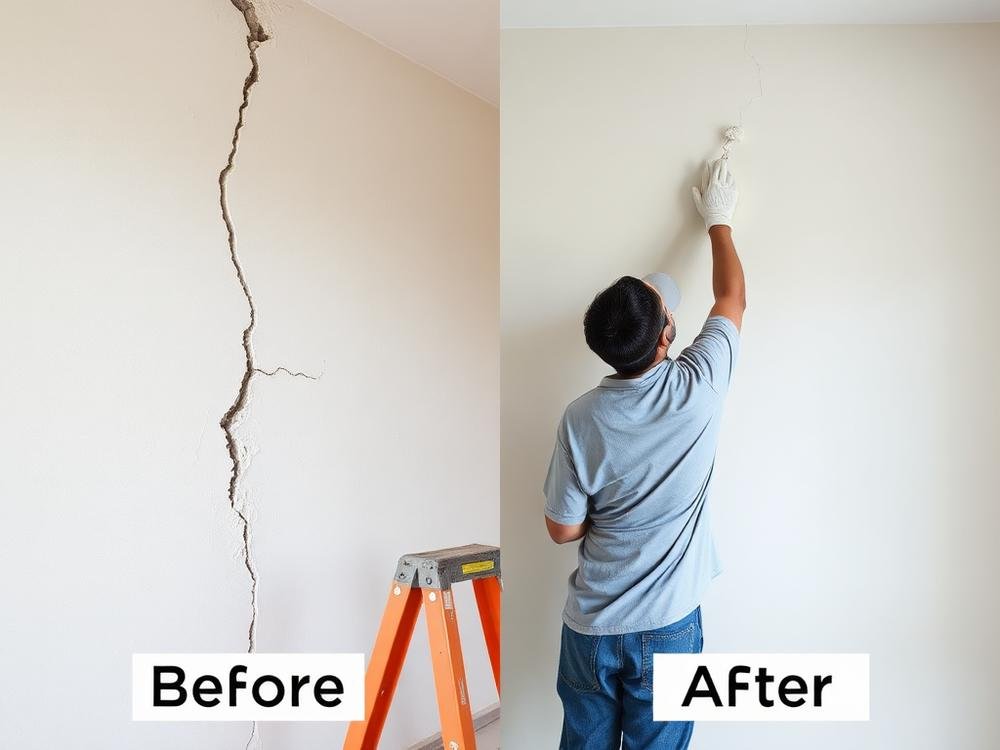
Why Do Plaster Walls Crack?
Plaster cracks can develop shortly after renovation or appear gradually as a property ages. The first step towards a lasting repair is understanding what caused the damage.
Here are some common reasons.
1. Natural Expansion and Contraction
Walls contain different building materials, including concrete, masonry, and plaster. These materials do not always respond to temperature changes in the same way.
As they expand and contract, small movements can create cracks along joints and connections. This is one reason fine cracks sometimes appear where a block wall meets a reinforced concrete element.
2. Poor Plaster Application
Plastering requires suitable materials, correct mixing, proper surface preparation, and appropriate application techniques.
Problems can develop when the plaster is applied too thickly, the substrate is not prepared properly, or the material is not allowed to cure as required.
The result may be surface cracks, poor adhesion, or sections of plaster that become loose over time.
3. Building Movement
Buildings can experience movement due to settlement, changes in loading, or other construction-related factors. Minor movement may affect the plaster finish, while more significant movement can indicate a structural concern.
Pay attention to cracks that keep growing, appear in several connected locations, or return after previous repairs.
4. Water Leakage and Moisture
Water entering through plumbing connections, bathrooms, external walls, windows, or ceilings can damage plaster.
You may notice more than just a crack. Other warning signs include:
- Yellow or brown stains.
- Paint that bubbles or peels.
- Damp or soft plaster.
- White powdery deposits on the wall.
- A musty smell around the affected area.
Do not replaster or repaint a damp wall before identifying and resolving the source of moisture.
5. Ageing Wall Finishes
Plaster and paint finishes can deteriorate over time. Older repairs may also become visible as the surrounding paint fades or the repaired material develops a different texture.
In these situations, removing loose material and restoring the affected surface may be necessary before repainting.
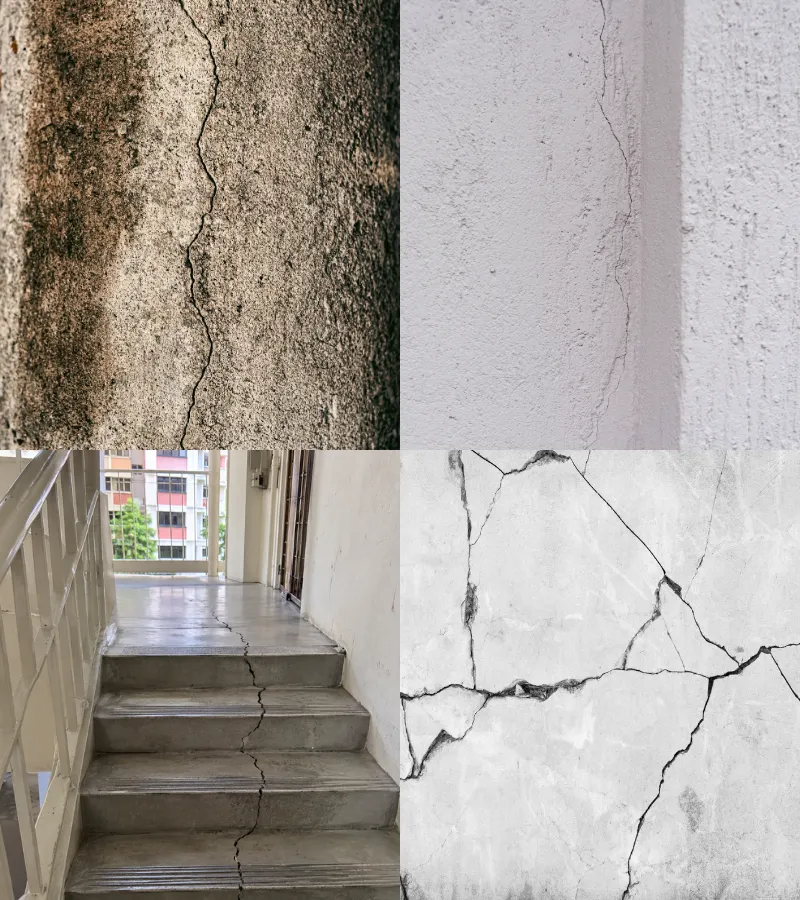
Different Types of Cracks in Plaster Walls
The appearance and location of a crack can provide useful clues about the problem. However, you cannot confirm whether a crack is structural simply by looking at it.
Hairline Cracks
Hairline cracks are very fine lines that appear on painted or plastered surfaces. They may result from minor material movement, shrinkage, or ageing finishes.
They commonly appear:
- Along wall joints.
- Near windows and door frames.
- At wall-to-ceiling connections.
- On older painted surfaces.
If a hairline crack is stable and confirmed to be superficial, a suitable flexible sealant or elastomeric paint may help seal it.
Vertical Cracks
Vertical cracks run from top to bottom or bottom to top. They may develop because of plaster shrinkage, joints between materials, or movement in the underlying construction.
A narrow crack limited to the plaster finish may need a straightforward repair. A wider or expanding crack should be inspected before any filling work begins.
Horizontal Cracks
Horizontal cracks extend across a wall. Their cause depends on the wall construction, crack location, and surrounding conditions.
Do not automatically treat them as cosmetic defects. If the crack is widening, recurring, or accompanied by bulging or displacement, arrange a professional assessment.
Diagonal and Stair-Step Cracks
Diagonal cracks may appear around doors, windows, or other openings. Stair-step cracks follow the joints between masonry blocks or bricks.
These patterns can sometimes be associated with movement in the building. They deserve particular attention if they continue to develop or appear alongside other signs of damage.
Moisture-Related Cracks
A moisture-related crack may appear with peeling paint, discolouration, damp patches, or deteriorating plaster.
The correct repair involves two stages: resolving the water problem and restoring the damaged wall surface. Applying filler without addressing the moisture source is unlikely to provide a lasting result.
How to Tell Whether a Wall Crack Needs Professional Attention
Before attempting a repair, assess the condition of the crack and the surrounding wall.
A minor surface crack may be suitable for basic repair when:
- It is very fine and appears limited to the paint or plaster finish.
- It has remained stable.
- The surrounding plaster is firmly attached.
- There are no signs of water damage.
- No other building defects are visible.
Arrange a professional assessment if you notice:
- A crack that continues to widen or lengthen.
- Deep or recurring cracks.
- Diagonal or stair-step cracking that is developing.
- Bulging, displaced, or loose wall sections.
- Dampness, water stains, or deteriorating plaster.
- Doors or windows that suddenly become difficult to operate.
- Cracks appearing alongside other signs of building movement.
For suspected structural defects, consult an appropriately qualified building professional or Professional Engineer. A plastering contractor can repair the surface, but should not be expected to diagnose structural problems.
For HDB flats, contact HDB or the relevant Town Council if the issue may involve structural elements or common-property areas.

How to Repair Cracked Plaster Walls
For a small, stable crack that has been confirmed to be superficial, the repair process is relatively straightforward. You will need suitable filler, a putty knife, sandpaper, a brush or cloth, primer, and matching paint.
The following steps describe a typical cosmetic plaster repair.
Step 1: Inspect the Crack
Start by examining the damaged area.
Check whether the crack is limited to the paint or extends into the plaster. Look for loose material, damp patches, stains, and signs that the crack is growing.
Take a photograph before repairing it. This gives you a reference if you need to monitor the crack over the following weeks.
Step 2: Prepare the Surface
Remove loose paint, flaking plaster, and old filler around the affected area using a suitable scraper.
Work carefully. Avoid cutting deeply into the wall or damaging concealed electrical wiring and plumbing.
The repair area should be clean, dry, and stable before you apply any new material.
Step 3: Prepare the Crack for Filling
Some repair products require a crack to be opened slightly so the filler can bond properly.
Follow the manufacturer’s instructions. Do not widen a fine crack unnecessarily, especially if its cause has not been established.
Step 4: Remove Dust and Loose Particles
Use a dry brush or suitable vacuum to remove dust from the crack and surrounding surface.
Dust can prevent repair materials from bonding properly, so this step should not be skipped.
Step 5: Apply the Correct Repair Material
Select a filler or flexible crack-repair product that is suitable for the wall substrate and type of crack.
For a stable surface crack:
- Apply the filler into the prepared area.
- Press it into the crack using a putty knife.
- Remove excess material.
- Smooth the surface.
- Allow it to dry according to the product instructions.
For cracks associated with minor recurring movement, a compatible flexible repair system may be more suitable than ordinary rigid filler.
Step 6: Apply Skim Coat if Needed
Once the crack has been repaired, check the surrounding surface.
If the repaired area is still uneven, a suitable skim coat can help create a smoother finish. This is particularly useful when the repair covers a larger section of the wall.
Skim coating should not be used to hide an active or potentially structural crack.
Step 7: Sand the Repaired Area
After the repair material has dried, sand the surface where required.
The aim is to remove raised edges and create a smooth transition between the repaired area and the original wall.
Wipe away sanding dust before moving to the next step.
Step 8: Apply Primer and Paint
Apply a compatible primer or sealer to the repaired area and allow it to dry.
Then apply the selected wall paint. If a small patch creates a visible difference in colour or texture, repainting the entire wall may produce a more consistent appearance.

Which Repair Method Is Suitable for Different Wall Problems?
Not every plaster defect should be treated with ordinary wall filler. The repair method needs to match the actual condition.
| Wall Problem | Recommended Approach |
|---|---|
| Stable hairline crack | Suitable flexible sealant or crack-repair product |
| Small surface damage | Remove loose material, fill, prime, and repaint |
| Deep plaster crack | Inspect the cause and carry out an appropriate plaster repair |
| Loose or hollow plaster | Remove or stabilise defective plaster and restore the surface |
| Water-damaged plaster | Resolve the moisture source before replacing damaged plaster |
| Repeated cracks | Investigate the underlying cause before repairing |
| Extensive uneven surface | Consider plaster repair or suitable skim coating |
A contractor should inspect uncertain or extensive damage before selecting the repair material.
How Much Does Plaster Wall Crack Repair Cost in Singapore?
There is no single price for repairing cracked plaster walls in Singapore. A small hairline crack and an extensively damaged wall require very different amounts of preparation, materials, and labour.
The quotation may cover only localised crack filling, or it may include plaster removal, replastering, skim coating, priming, and repainting.
What Affects the Repair Cost?
1. Size and Length of the Crack
A longer crack generally requires more preparation and repair material. Several cracks across a room may also increase labour time.
2. Depth of the Damage
A crack limited to the paint or skim coat is usually simpler to repair than damage involving the underlying plaster.
3. Condition of the Surrounding Wall
If the surrounding plaster is loose, hollow, or deteriorating, additional removal and restoration work may be needed.
4. Moisture or Water Damage
A moisture problem may require separate plumbing, leakage investigation, or waterproofing work before the wall can be repaired.
5. Materials Required
The quotation may include crack filler, plaster, bonding agents, skim coat, primer, and paint. The products used depend on the wall condition.
6. Painting and Finishing
Touching up a small section is different from repainting an entire wall. Colour matching and the condition of the existing paint can also affect the finishing work.
What Should a Wall Repair Quotation Include?
Before accepting a quotation, check whether it clearly explains:
- The affected area and repair scope.
- Removal of loose or damaged plaster.
- Surface preparation.
- Repair materials to be used.
- Skim coating, if required.
- Primer and painting.
- Cleaning and disposal.
- Any separate charges for leakage or waterproofing work.
A clear scope makes it easier to compare contractors and understand what you are paying for.
DIY Repair or Professional Plaster Repair?
Homeowners can often manage small cosmetic cracks with suitable products. However, larger defects are a different matter.
| Factor | DIY Repair | Professional Repair |
|---|---|---|
| Suitable work | Small, stable surface cracks | Minor to extensive plaster damage |
| Tools | Basic household repair tools | Professional repair equipment |
| Material selection | Homeowner selects products | Contractor assesses material requirements |
| Surface preparation | Depends on experience | Can include removal and restoration of damaged plaster |
| Finish | May require additional touch-ups | Can provide a more consistent finish |
| Complex damage | Not suitable for structural diagnosis | Can recommend further specialist assessment |
When Can You Repair a Crack Yourself?
DIY repair may be reasonable when the crack is small, stable, dry, and limited to the surface finish.
If you have suitable tools and follow the product instructions, you may be able to fill, sand, prime, and repaint the affected area.
When Should You Hire a Professional?
Consider professional help if the crack is deep, keeps returning, affects a large area, or appears with loose plaster or water damage.
Professional repair is also worth considering when you want plastering, skim coating, and painting completed as part of one project.
If structural movement is suspected, seek an appropriate building assessment rather than relying on cosmetic repair.
How to Prevent Plaster Cracks from Returning
Even a well-finished repair can fail if the original cause remains. A few practical steps can help reduce the likelihood of recurring damage.
Resolve Water Problems Promptly
Check bathrooms, kitchens, windows, ceilings, and plumbing connections for leaks or dampness. Repair the source before restoring the wall.
Use Compatible Repair Materials
Choose products that are suitable for the substrate and expected movement. A rigid filler is not always appropriate for a crack that experiences recurring movement.
Prepare the Surface Properly
Loose plaster, flaking paint, and dust can weaken the bond between the old surface and new repair material.
Allow Sufficient Drying and Curing Time
Do not rush from plastering to painting. Follow the manufacturer’s recommendations for drying, curing, priming, and finishing.
Maintain Good Ventilation
Allowing fresh air to circulate through the home can help manage indoor moisture. HDB also recommends cross-ventilation and regular repainting as preventive measures for certain wall cracks.
Monitor Previous Repairs
If a crack returns, becomes wider, or develops new surrounding defects, investigate the cause rather than repeatedly applying filler.

Professional Plaster Wall Repair by Best Painting SG
A cracked wall does not always need extensive renovation. The right solution depends on whether the problem is limited to the surface or involves damaged plaster, moisture, or building movement.
Best Painting SG provides plastering and wall repair services for residential and commercial properties in Singapore.
Our services include:
- Wall crack repair.
- Plaster crack repair.
- Wall plastering.
- Wall skimming and skim coating.
- Damaged plaster replacement.
- Loose plaster repair.
- Wall surface levelling.
- Water-damaged plaster repair.
- Ceiling plastering and repair.
- Interior wall painting.
If your walls have visible cracks, peeling paint, or damaged plaster, contact our team to discuss the condition and request a quotation.
Best Painting SG Contact Details
- Address: 362 Upper Paya Lebar Road, #05-14, Singapore 534963
- Phone/WhatsApp: +65 8193 5251
- Email: bestpaintsg@gmail.com
- Website: https://www.bestpaintingsg.com/
Frequently Asked Questions
1. Why do plaster walls crack in Singapore?
Plaster walls can crack because of temperature changes, material movement, poor workmanship, ageing finishes, water damage, or building movement. The location and pattern of the crack can help identify possible causes.
2. Are hairline cracks in HDB walls normal?
Hairline cracks can develop along joints where different building materials meet. HDB explains that different materials expand and contract at different rates. Stable hairline cracks may be sealed with flexible sealant or elastomeric paint, while wider cracks should be assessed and repaired by a contractor.
3. How do I repair a small crack in a plaster wall?
For a confirmed superficial crack, remove loose material, clean the surface, apply a suitable filler, allow it to dry, sand if required, and finish with primer and paint.
4. Can I paint directly over a cracked plaster wall?
Painting over an untreated crack does not repair the damaged surface. Repair the crack first and allow the material to dry before applying primer and paint.
5. What is the best filler for plaster wall cracks?
The correct filler depends on the crack type and wall condition. Ordinary wall filler may be suitable for stable surface imperfections, while certain cracks involving minor movement may need a flexible repair product.
6. Can skim coating fix cracked plaster walls?
Skim coating can improve the appearance of a repaired surface and cover minor imperfections. It cannot resolve active cracks, loose plaster, water leakage, or structural movement.
7. Why do wall cracks return after repair?
Cracks often return because the underlying cause has not been resolved. Other possible reasons include unsuitable filler, poor surface preparation, inadequate curing, or continued movement.
8. How much does plaster wall crack repair cost in Singapore?
The price depends on the crack’s size, depth, surrounding wall condition, materials, labour, and painting requirements. A contractor should inspect the affected area before providing a quotation.
9. Can water leakage cause plaster wall cracks?
Yes. Water intrusion can weaken plaster and cause cracking, bubbling paint, damp patches, and surface deterioration. The source of the water must be addressed before the plaster is restored.
10. Should I repair cracks before repainting my HDB flat?
Yes. Repair suitable surface cracks and prepare the walls before repainting. Wider, recurring, damp, or suspicious cracks should be investigated first.
11. Can cement plaster be used to repair cracked walls?
Cement-based repair materials may be suitable for certain plaster and masonry surfaces. The selected material must be compatible with the existing substrate and the required repair.
12. How long does plaster wall crack repair take?
Small cosmetic repairs may take relatively little working time, but drying, curing, sanding, priming, and painting add to the overall schedule. Larger repairs require more time.
13. Do I need to remove old plaster before repairing a crack?
Loose, hollow, and deteriorated plaster generally needs to be removed or properly stabilised. Sound plaster around the damaged area may be retained if it is suitable for the repair.
14. Are diagonal cracks in walls dangerous?
Not every diagonal crack indicates a structural problem. However, widening or recurring diagonal cracks should be professionally assessed, especially when accompanied by other building defects.
15. Can plaster cracks indicate structural problems?
Yes. Some cracks may be associated with structural movement or deterioration. A visual inspection by a qualified professional is necessary when structural damage is suspected.
16. Is wall crack repair included in painting services?
Some painting packages include minor crack filling and surface preparation. Extensive plaster removal, water damage restoration, and other specialist repairs may require separate quotations.
17. How can I prevent cracks from appearing again?
Use compatible repair materials, prepare the wall properly, resolve moisture problems, follow drying and curing instructions, and monitor previously repaired cracks.
18. Who should I contact for cracked plaster wall repair in Singapore?
For cosmetic plaster damage, contact a professional wall repair or plastering contractor. If the crack may involve structural elements, consult an appropriately qualified building professional or Professional Engineer.
Final Thoughts
Cracked plaster walls can be a minor cosmetic issue or a sign of a more serious problem. The difference becomes clearer when you examine the crack, check the surrounding surface, and look for signs of moisture or movement.
For small, stable cracks, suitable filler or flexible repair products may be enough. Larger, recurring, or moisture-related cracks need proper investigation before the wall is restored.
Taking time to identify the cause can prevent repeated repairs and help you achieve a better wall finish. If the damage involves plaster removal, skim coating, or repainting, a professional assessment can help determine the work required.